Bottle data
Share bottle height, diameter, neck opening, weight, material and photos or drawings.
Glass bottle washing machines for beverage, drinks, returnable bottle and packaging-line projects.
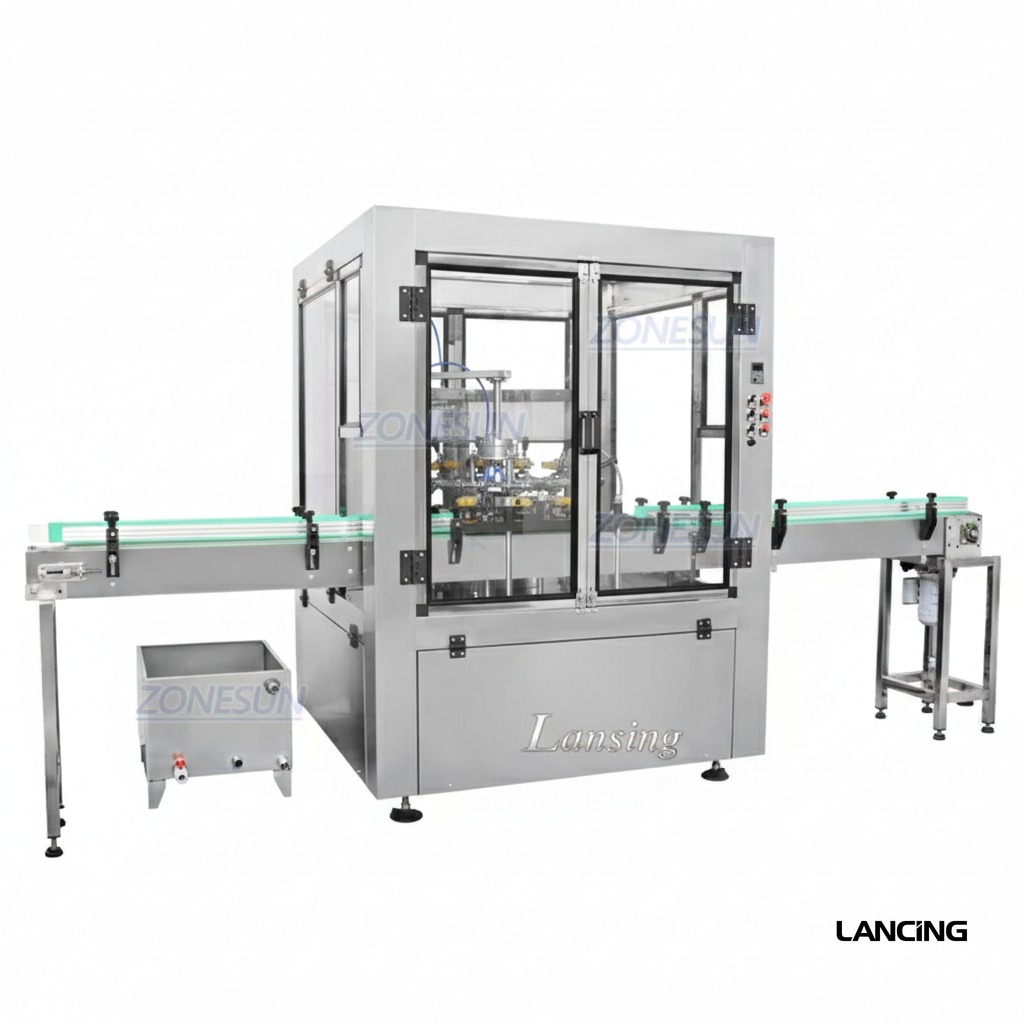
Glass bottles are commonly used in drinks, sauces, oils, cosmetics and premium products. The washing route should consider bottle stability, neck opening, label residue, breakage risk, internal rinsing access and whether drying is needed before filling or labelling.
Share bottle height, diameter, neck opening, weight, material and photos or drawings.
Explain whether the process needs rinsing, washing, drying, label removal or a combined route.
Include the filler, capper, labeller, conveyors, utilities and target bottles per hour.
Glass bottles are often robust enough for reuse routes, but label adhesive, neck size, chips, scratches and remaining odour still need practical checks.
Record whether bottles are clean new, dusty, returned, labelled, wet, oily, fragranced or visibly contaminated. That determines whether rinsing, washing, drying or label removal is the right process.
Confirm if the next process can tolerate residual moisture. If not, shortlist a wash-and-dry route and test the drying result on real bottles.
Check infeed, outfeed, filling, capping, labelling, coding, accumulation and manual inspection access before the washer footprint is fixed.
For deeper specification, use the cleaning validation guide, the water and drainage guide and the enquiry form to describe bottle dimensions and cleaning requirements. Email bottle photos to sales@lancinguk.com.