Skip to content
Bottle washing machinery specialists — UK supply, installation and support01494 623015 · sales@lancinguk.com
Bottle washing and drying

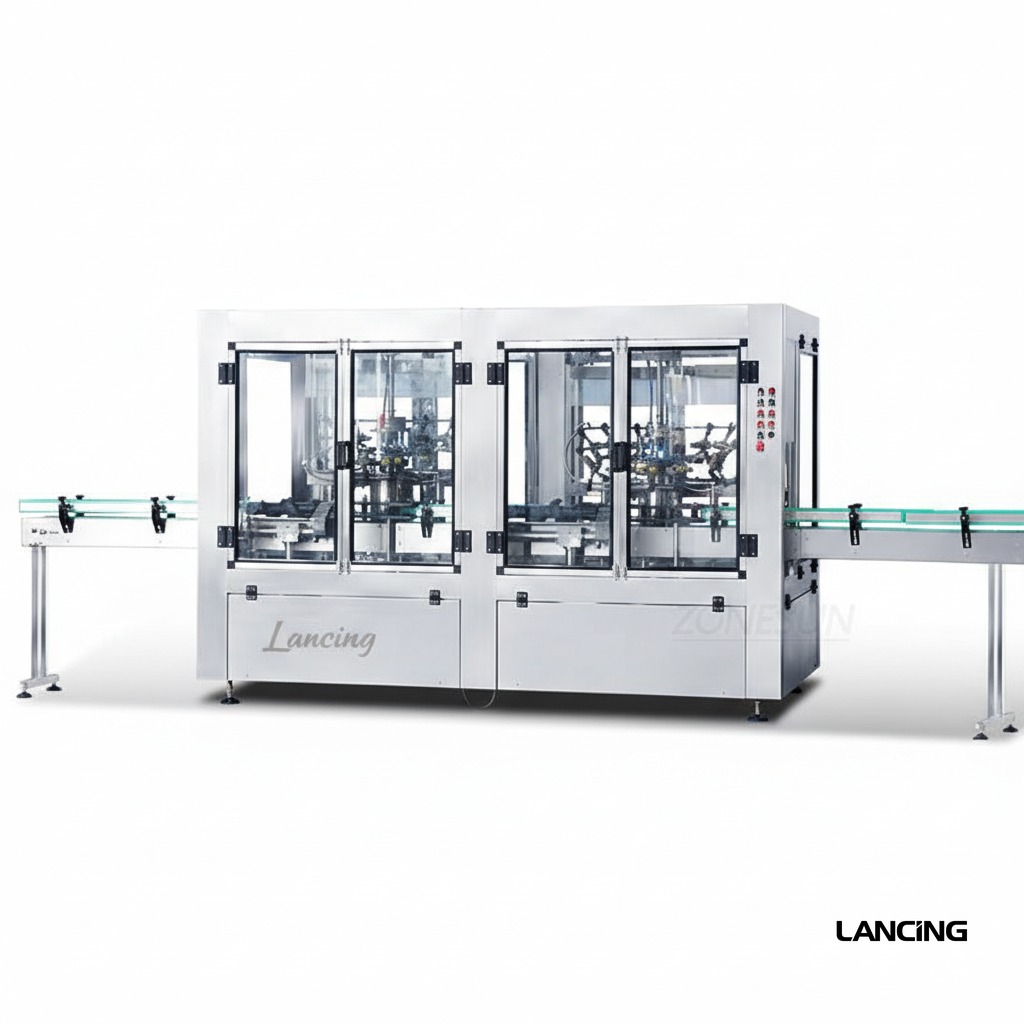
Full Automatic 12-Head Bottle Washing and Drying Machine

Automatic bottle washing and drying machine using high-pressure water washing and clean-air drying for multiple bottle shapes.

Full Automatic 12-Head Bottle Washing and Drying Machine
Final machine suitability must be confirmed against the real bottle, contamination level, required throughput, utilities and line layout.
Machine overview

Where this machine fits

A washing-and-drying route for projects where water carry-over needs to be controlled before the next production step. This route is relevant when a rinse-only stage is not enough and the bottle interior needs drying after washing.

  • High-pressure water washing stage
  • Clean-air drying stage after washing
  • Suitable for round-neck, flat and square bottle formats subject to testing
  • Useful before filling, inspection, labelling or rework stages
  • Final output and utilities confirmed against real bottle samples

Specification notes

Use the data below as an initial guide only. Bottle washing performance depends on container stability, neck opening, nozzle access, cleaning requirement, operator loading, conveyor flow and the condition of bottles entering the machine.

For a reliable proposal, send bottle drawings or samples with your target output and site constraints.

Machine typeAutomatic washing and drying
Heads12-head route listed
Cleaning methodHigh-pressure water washing
Drying methodHigh-pressure clean air
Bottle formatsRound-neck, flat and square formats listed
ConfigurationConfirmed during quotation

Ask for a project-specific recommendation

Send bottle photos, dimensions, residue details and required bottles per hour. We’ll check which washing route is most suitable before quoting.

Send enquiry
Validation notes

Wash-and-dry process validation notes

This additive specification section keeps the existing machine details in place and adds the practical checks normally needed before a bottle washer is confirmed for production.

Verified starting point

The first-party description covers high-pressure water flushing followed by a high-pressure clean-air drying stage for bottle shapes including round-neck, flat and square bottles.

Final suitability still depends on the real bottle, residue, site utilities, changeover expectations and where the machine sits in the wider line.

Where this route fits

This machine is best considered for projects where residual water after washing could affect filling, labelling, coding or product presentation.

  • Confirm bottle height, diameter and neck opening
  • Agree internal, external, rinse, wash or dry-off requirement
  • Check product residue, label material and contamination level
  • Confirm upstream and downstream handling before layout sign-off
Specification areaWhat to confirmWhy it matters
Cleaning validationVisible residue, odour, label adhesive, internal droplets and outside finish after the testPrevents choosing a machine before the required clean outcome is defined
Wash chemistry and temperatureWhether water-only, detergent, caustic or heated-water review is requiredDifferent residues, bottle materials and adhesives behave differently
Water and drainageSupply, pressure, filtration, drainage capacity and any water-reuse objectiveThese affect performance, reliability and installation planning
Changeover and accessFormat changes, guides, nozzles, bottle carriers, operator access and cleaning accessPractical production time depends on more than headline output
Buyer FAQ

Specification questions for this machine.

What should be tested before ordering the full automatic 12-head bottle washing and drying machine?

Test real bottles rather than relying only on catalogue descriptions. Check bottle stability, neck access, residue removal, external finish, drainage, dry-off where relevant and line transfer behaviour.

Can water or energy consumption be published without a final configuration?

No. Water, energy and drainage requirements should only be published or quoted once the selected configuration, wash stages, output and site services are known.

What sample details should be sent to Lancing?

Send bottle photos, drawings or dimensions, material, neck opening, height, diameter, residue type, label condition, desired pass/fail outcome, target output and site-service information.

When might another bottle washing route be more suitable?

Another route may be better if the required output, labour level, bottle stability, drying need, label-removal problem or footprint does not match the selected machine route.

Useful supporting pages: cleaning validation, water and drainage planning, returnable bottle preparation and project enquiry.