Automatic inline washing
For conveyor-fed production lines where repeatability and integration with filling equipment matter.
Read moreA wash-dry route is useful where water left in or on the bottle would affect filling, labelling, packing or product quality.
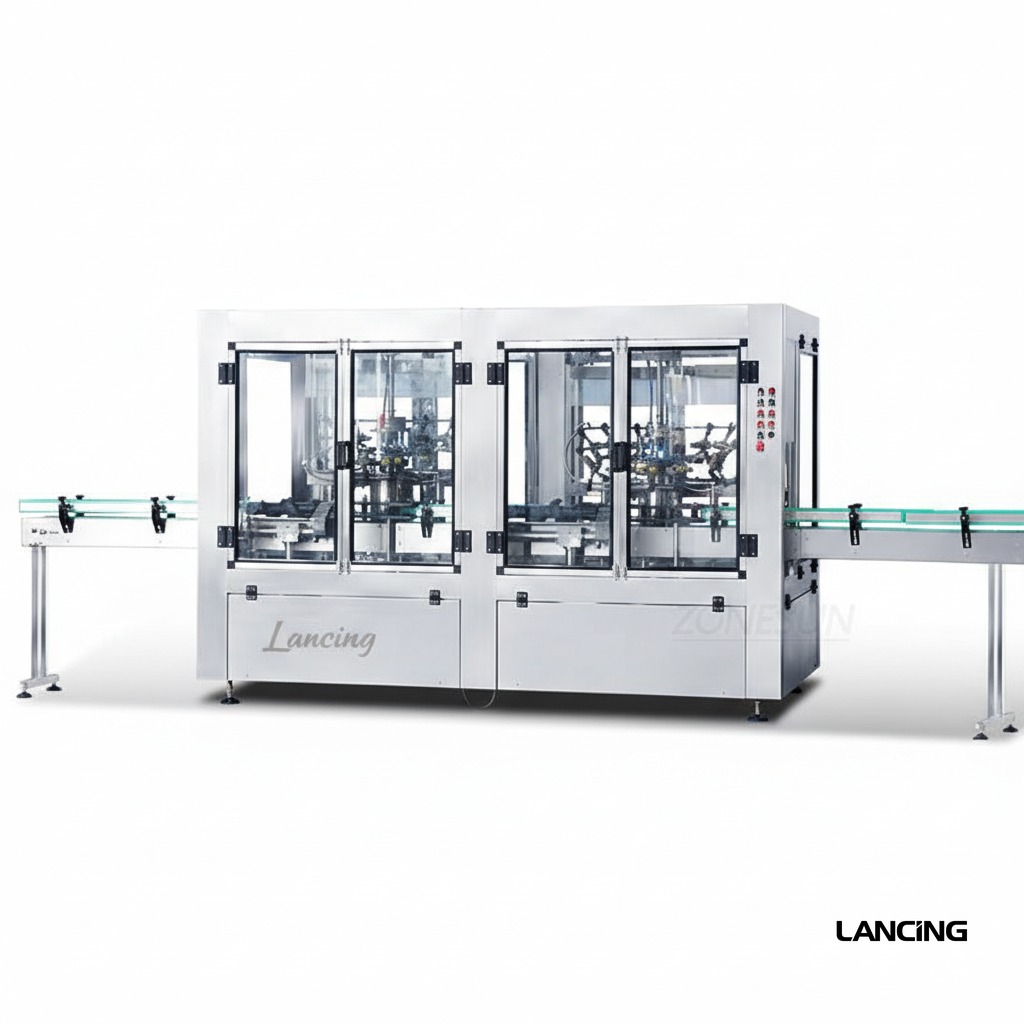
Drying should be considered when residual water creates a problem for filling accuracy, product compatibility, label adhesion, coding, cap application or packing. It is especially important where the bottle cannot simply drain before the next stage.
Round-neck, flat, square and shaped bottles can behave differently through wash and dry stages. Air knife or clean-air drying performance depends on surfaces, recesses, bottle orientation and line speed.
These points help separate a useful bottle washing enquiry from a generic search.
Use these pages to compare automatic, semi-automatic and wash-dry options before sending samples or drawings.
For conveyor-fed production lines where repeatability and integration with filling equipment matter.
Read moreFor flexible bottle runs where the machine needs a compact footprint and operator involvement.
Read moreFor bottle formats where residual water after washing may affect filling, labelling or downstream handling.
Read moreDrying reduces residual water that may affect filling, labels, coding, cap application or packing.
No. Bottle shape, recesses, shoulders and line speed all affect the drying route.
It can be, particularly where external bottle moisture would reduce label adhesion or coding quality.
Send bottle photos, bottle dimensions, residue details, target output and whether the machine needs to connect to an existing filler, capper, labeller or conveyor.
Request a bottle washer quoteThe model page explains the verified process sequence and the project evidence needed where residual water can affect filling, inspection, labelling or packing.
Review the automatic washing and clean-air drying route for glass and PET bottle formats.
View the bottle washing and drying machineDefine how internal and external moisture will be checked before filling, labelling or inspection.
Plan drying and moisture-control checks