Skip to content
Bottle washing machinery specialists — UK supply, installation and support01494 623015 · sales@lancinguk.com
Buying guide

Semi-automatic vs automatic bottle washers

Compare semi-automatic and automatic bottle washers by labour, speed, footprint, changeovers, integration and growth path.

Practical decision points

Use this guide to prepare a better bottle washer enquiry and avoid comparing machines on headline output alone. The right route depends on the container, cleaning task, production target and wider line layout.

  • Semi-automatic bottle washers can suit lower outputs, flexible bottle ranges and tighter budgets.
  • Automatic bottle washers can reduce labour input and support higher throughput when bottle handling is stable.
  • Semi-automatic routes may be easier for frequent format changes or pilot-scale lines.
  • Automatic routes need more careful planning around conveyors, infeed, outfeed, utilities and safety.
  • The best choice depends on real output, labour cost, bottle stability, changeover expectations and future growth.
Tip: send bottle photos or samples early. Small differences in bottle height, neck opening, base stability and contamination level can change the correct machine route.
Related machine routes

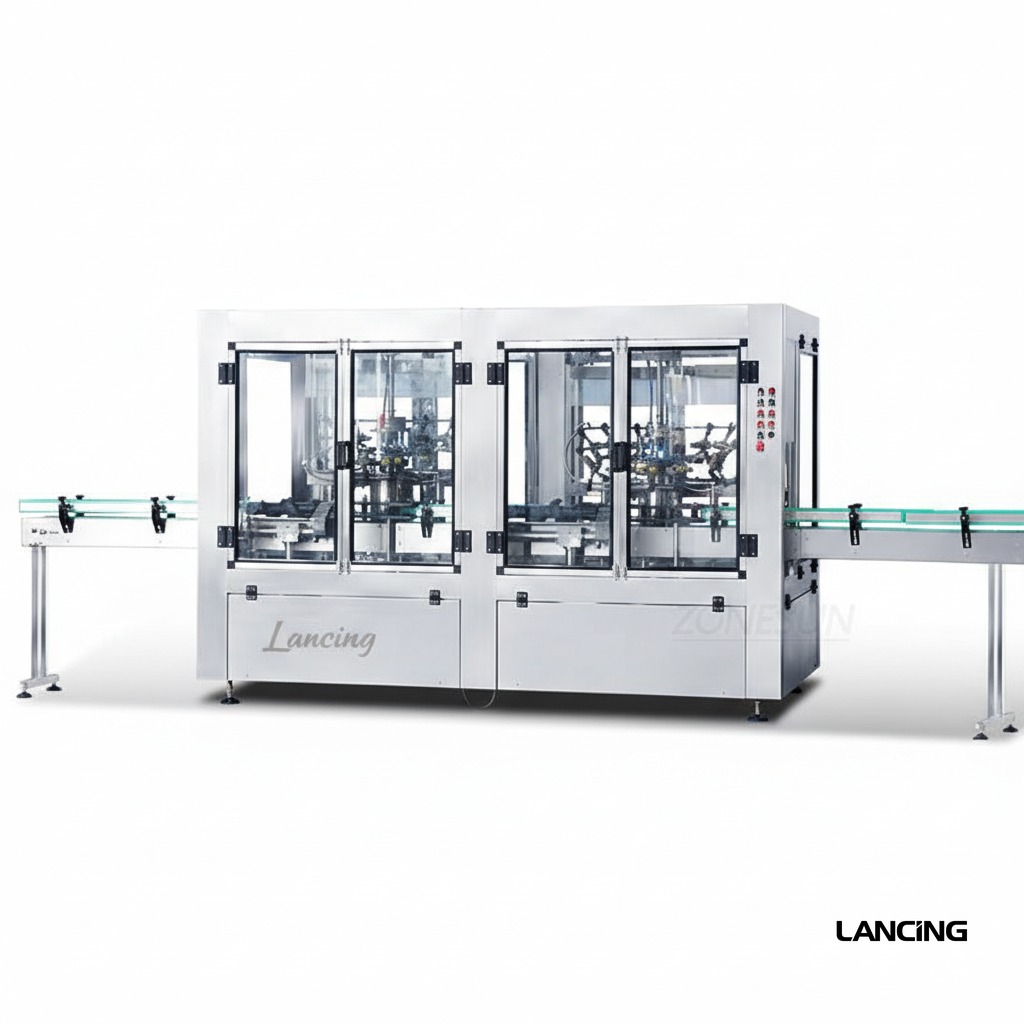
LU-WB12 automatic bottle washer with 12 nozzles
Automatic washing

LU-WB12 automatic bottle washer with 12 nozzles

Inline bottle washer for cleaning inner and outer bottle surfaces with conveyor integration for production lines.

Best forGlass/PET bottles
Typical outputAbout 2,800/h listed
Utilities110/220V, 0.75kW
View machine
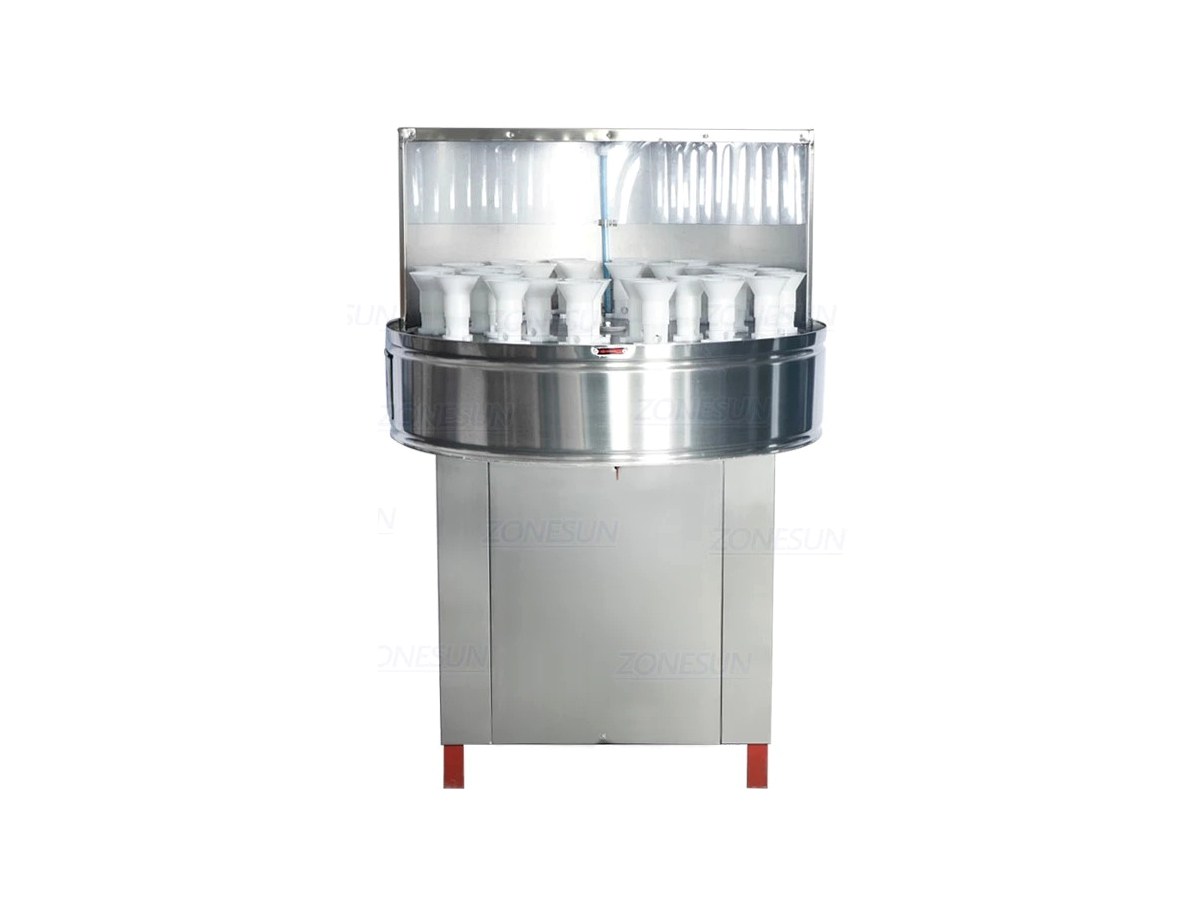
LU-WB32 rotary small semi-automatic bottle washing machine
Semi-automatic

LU-WB32 rotary small semi-automatic bottle washing machine

Compact rotary washing route for beverage and glass-bottle projects where flexibility and footprint matter.

Best forBeverage glass bottles
Typical outputUp to 2,500 BPH route
UtilitiesConfirmed at quote
View machine
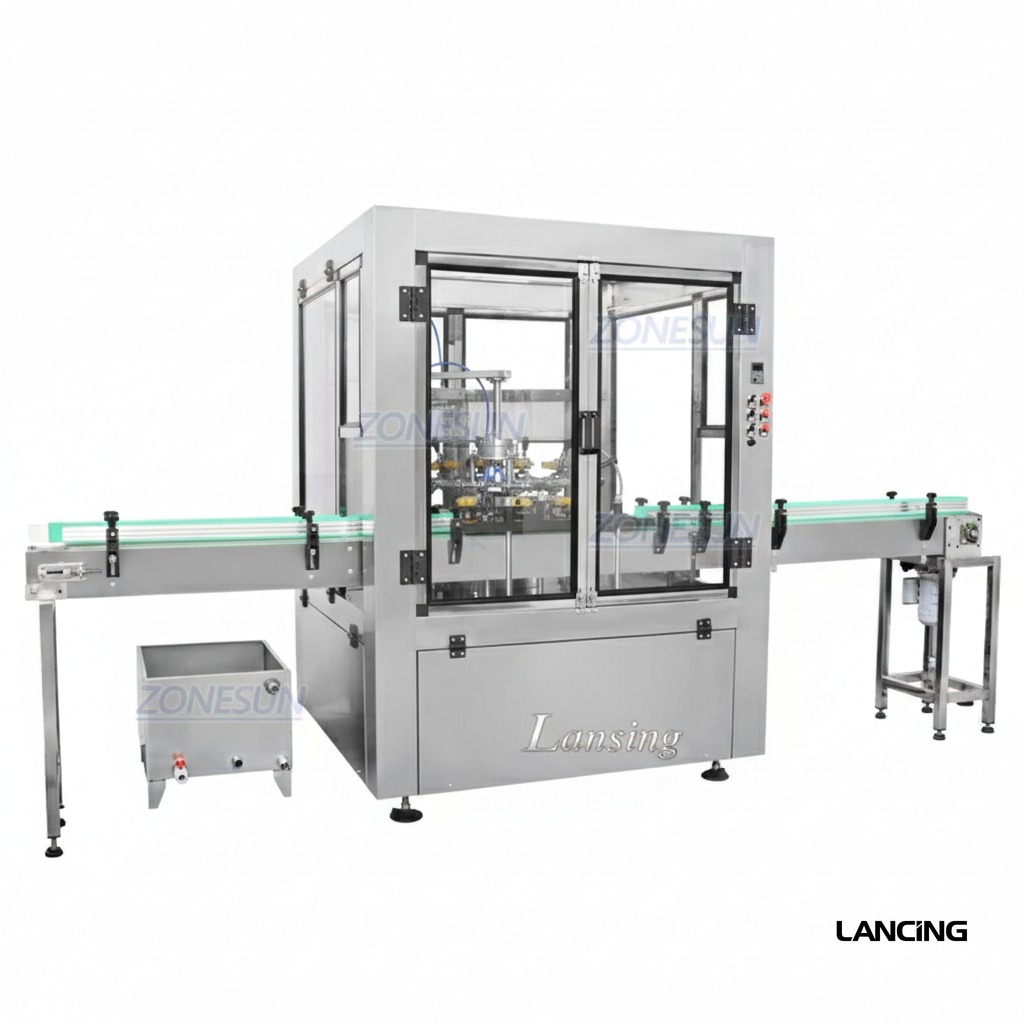
Full automatic 12-head bottle washing and drying machine
Wash & dry

Full automatic 12-head bottle washing and drying machine

High-pressure water washing followed by clean-air drying for round-neck, flat and square bottle formats.

Best forPET/glass bottle shapes
Typical outputConfigured to project
UtilitiesConfirmed at quote
View machine
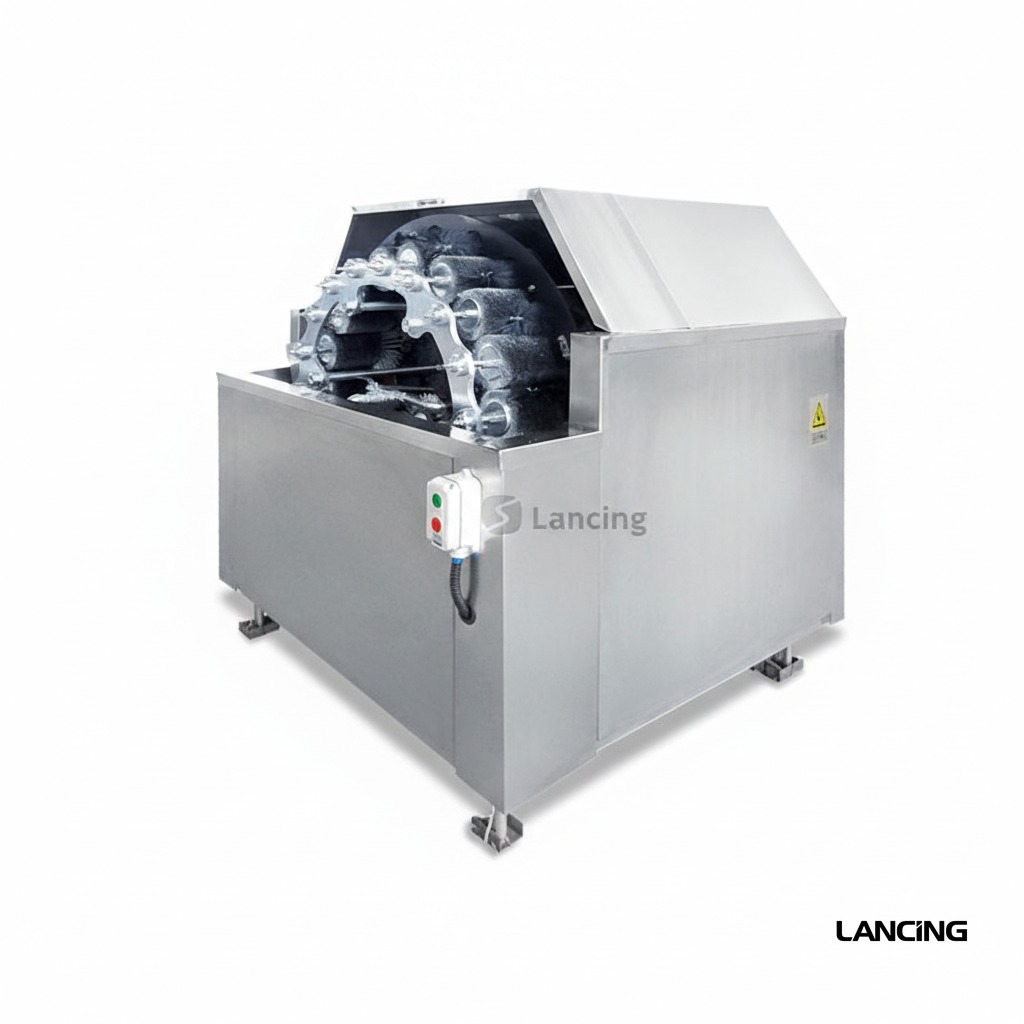
LU-BLR18 bottle label remover
Returnable bottles

LU-BLR18 bottle label remover

Label-removal support for bottle recovery and returnable-bottle preparation before washing or rework.

Best for70–100mm body listed
Typical output2,000 BPH listed
Utilities4kW, 380V listed
View machine
Technical planning

Compare automation level against validation work

Semi-automatic washing may suit smaller runs and manual inspection; automatic washing suits higher flow and integration. The right route depends on labour, output, bottle range, changeover and the amount of validation evidence needed.

Cleaning validation

Set a clear pass/fail standard for washed bottles: visible residue, odour, adhesive, internal droplets, external finish and suitability for the next filling stage.

Read the validation guide

Water, utilities and drainage

Confirm supply, pressure, drainage, air, power and any water-reuse objective against the selected configuration rather than assuming a generic utility load.

Review utility checks

Returnable bottles and labels

Assess whether de-labelling, adhesive removal and rewash handling are separate stages before the bottle reaches the final washer.

Open returnable bottle guide

Guide FAQ

Planning questions to avoid vague quotes.

Which new technical guide should I read first?

Start with cleaning validation if the bottles are returned or contaminated, water and drainage planning if services or sustainability targets are unclear, and returnable bottle preparation if label removal is part of the process.

Do these guides replace a machine trial?

No. They help prepare a better enquiry, but real bottle testing is still the safer route where residue, label adhesive, bottle stability or dry-off quality could affect production.

Should unsupported performance figures be used for planning?

No. Use verified first-party specifications where available and mark unknown water, energy, output, changeover or drying figures for confirmation during quotation.