Automatic inline washing
For conveyor-fed production lines where repeatability and integration with filling equipment matter.
Read moreJar washing has different handling requirements from narrow-neck bottles because openings, body shapes and stability can change the cleaning route.
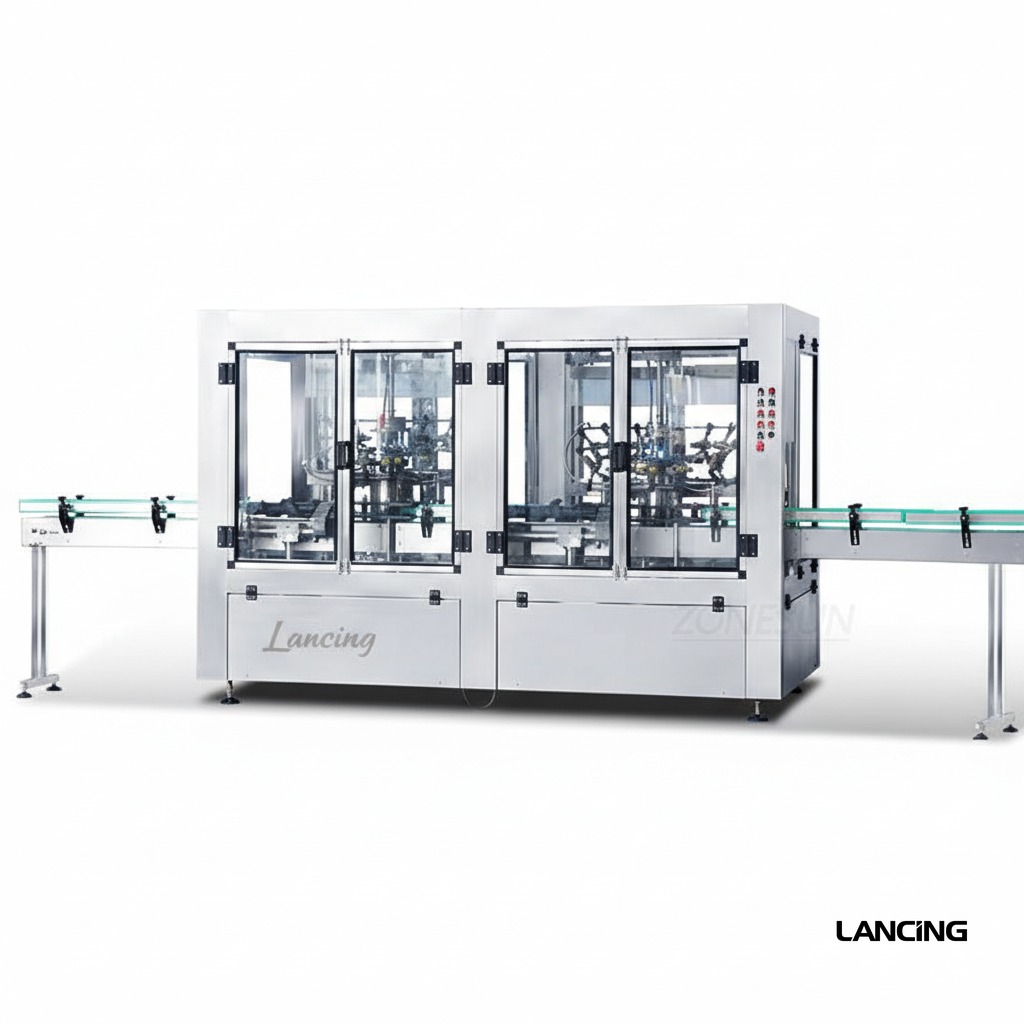
Glass jars and wide-mouth containers may be easier to access internally, but their weight, opening, lip profile and pack format affect handling, drainage and drying.
Jar washing or rinsing should be planned with filling, capping, labelling and coding so the container is ready for the next stage without moisture or debris issues.
These points help separate a useful bottle washing enquiry from a generic search.
Use these pages to compare automatic, semi-automatic and wash-dry options before sending samples or drawings.
For conveyor-fed production lines where repeatability and integration with filling equipment matter.
Read moreFor flexible bottle runs where the machine needs a compact footprint and operator involvement.
Read moreFor bottle formats where residual water after washing may affect filling, labelling or downstream handling.
Read moreThey can be. Wide openings, weight and stability can require different guides, nozzles and handling.
Yes, if the rinse method and drainage are compatible with the product and line speed.
Drying may be needed where external moisture affects labels, coding or packing.
Send bottle photos, bottle dimensions, residue details, target output and whether the machine needs to connect to an existing filler, capper, labeller or conveyor.
Request a bottle washer quote