Automatic inline washing
For conveyor-fed production lines where repeatability and integration with filling equipment matter.
Read morePlastic bottle washing and rinsing equipment must handle lightweight containers without distortion, instability or transfer issues.
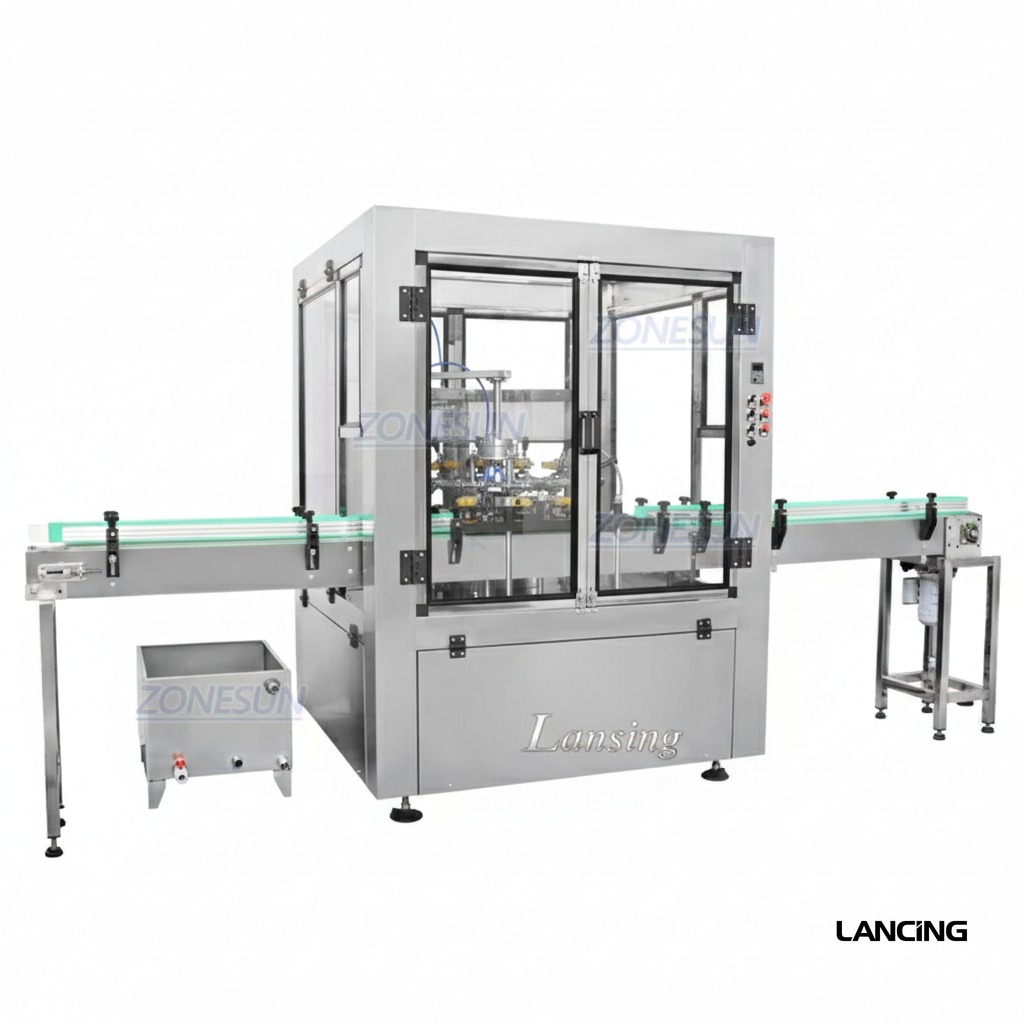
Plastic bottles are often lighter than glass and may be more sensitive to air pressure, water pressure and conveyor handling. Guides and transfer points should be reviewed carefully.
New PET bottles may only need rinsing before filling, while reworked or contaminated plastic containers may need washing or drying. The process should suit bottle strength and product requirements.
These points help separate a useful bottle washing enquiry from a generic search.
Use these pages to compare automatic, semi-automatic and wash-dry options before sending samples or drawings.
For conveyor-fed production lines where repeatability and integration with filling equipment matter.
Read moreFor flexible bottle runs where the machine needs a compact footprint and operator involvement.
Read moreFor bottle formats where residual water after washing may affect filling, labelling or downstream handling.
Read moreYes, if the washer route suits bottle strength, shape and stability.
They can be, because lightweight bottles may tip, distort or move under air and water pressure.
Often a pre-fill rinse is considered, but it depends on bottle supply and product requirements.
Send bottle photos, bottle dimensions, residue details, target output and whether the machine needs to connect to an existing filler, capper, labeller or conveyor.
Request a bottle washer quote