Automatic inline washing
For conveyor-fed production lines where repeatability and integration with filling equipment matter.
Read moreA pre-fill rinser helps prepare new empty bottles immediately before product filling, reducing dust or light debris risk.
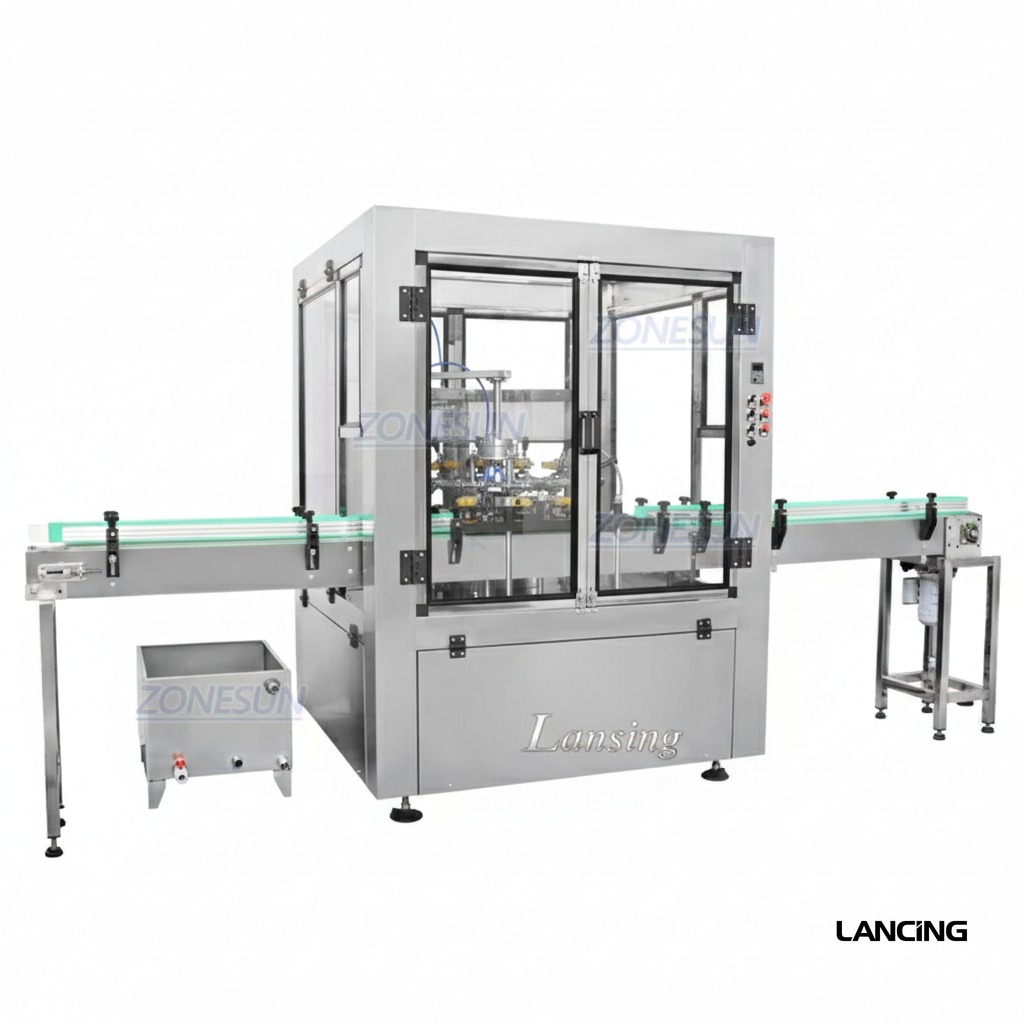
The closer rinsing is to the filler, the less time there is for bottles to collect airborne dust or handling debris. Line layout, accumulation and transfer distance should be reviewed before choosing equipment.
Some products and containers tolerate water residue, while others need air rinsing or drying. The choice must consider product sensitivity, container material, hygiene expectations and downstream filling behaviour.
These points help separate a useful bottle washing enquiry from a generic search.
Use these pages to compare automatic, semi-automatic and wash-dry options before sending samples or drawings.
For conveyor-fed production lines where repeatability and integration with filling equipment matter.
Read moreFor flexible bottle runs where the machine needs a compact footprint and operator involvement.
Read moreFor bottle formats where residual water after washing may affect filling, labelling or downstream handling.
Read moreUsually before the filler, with enough space for stable bottle handling and drainage or air management.
No. Product sensitivity and allowable moisture need to be checked first.
Yes, but lightweight PET containers need careful guide and transfer planning.
Send bottle photos, bottle dimensions, residue details, target output and whether the machine needs to connect to an existing filler, capper, labeller or conveyor.
Request a bottle washer quotePre-fill rinsing is distinct from washing returnable or contaminated bottles. The linked comparison guide explains the process boundary and the information needed for selection.
Use the process guide to decide whether light particulate removal or an active wash is required.
Compare bottle rinsing and bottle washingFor clean new bottles, compare air, water, rotary and rinse-dry machinery on the dedicated Lancing bottle-rinser site.
Visit the specialist Bottle Rinsers UK site