Automatic inline washing
For conveyor-fed production lines where repeatability and integration with filling equipment matter.
Read moreWine bottle projects need glass bottle rinsing or washing routes that suit bottle weight, neck opening, line speed and filling method.
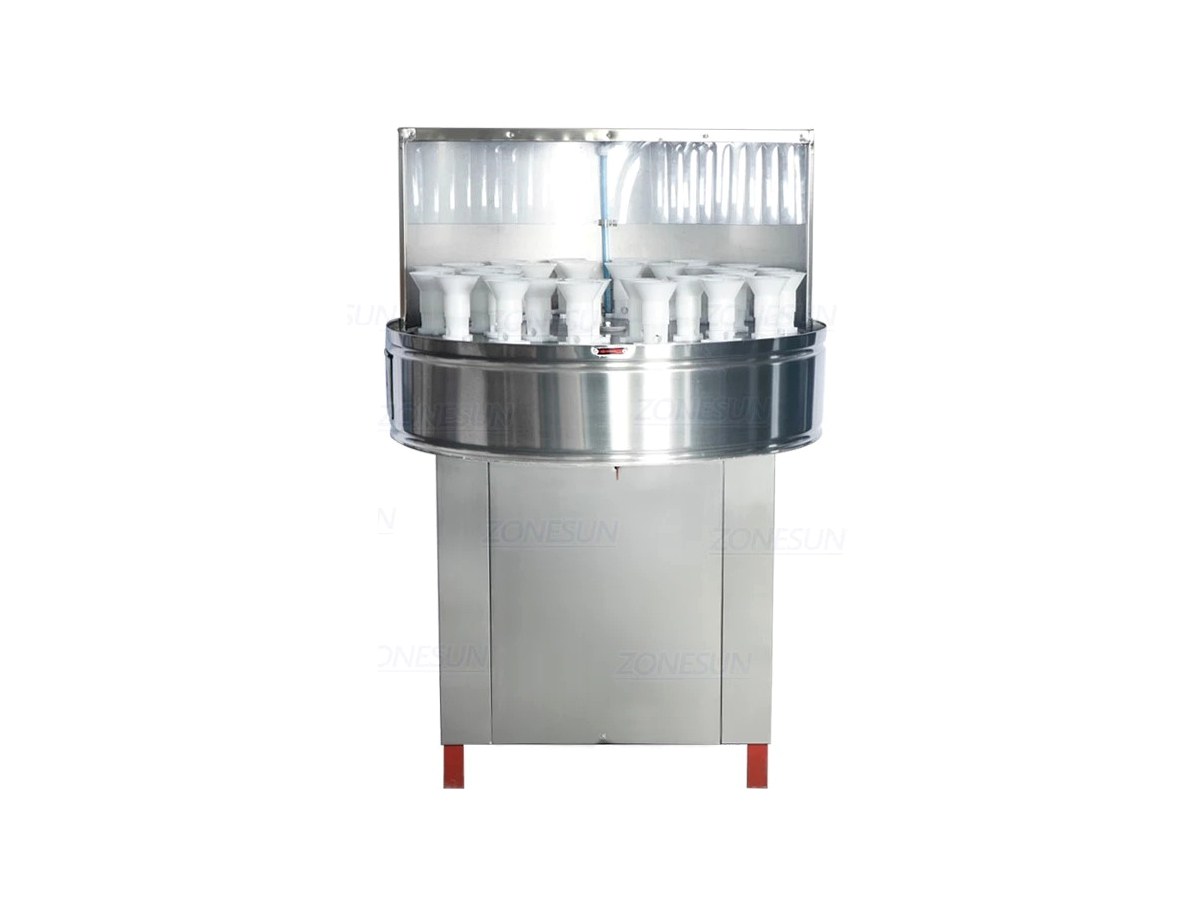
Wine bottles are usually stable but heavy, so washing equipment should be planned around bottle dimensions, transfer height, neck access, drainage and operator safety.
New bottles may only need pre-fill rinsing, while returned or reworked bottles may need washing or label removal before reuse.
These points help separate a useful bottle washing enquiry from a generic search.
Use these pages to compare automatic, semi-automatic and wash-dry options before sending samples or drawings.
For conveyor-fed production lines where repeatability and integration with filling equipment matter.
Read moreFor flexible bottle runs where the machine needs a compact footprint and operator involvement.
Read moreFor bottle formats where residual water after washing may affect filling, labelling or downstream handling.
Read moreNew bottles often require rinsing rather than heavy washing, but this depends on supplier condition and site procedures.
Returnable workflows need label removal, washing, inspection and suitability checks before reuse.
It can be considered where bottle dimensions, weight and output match the rotary handling route.
Send bottle photos, bottle dimensions, residue details, target output and whether the machine needs to connect to an existing filler, capper, labeller or conveyor.
Request a bottle washer quoteA winery reuse project should test realistic label/adhesive ages, bottle damage, residual wine or storage contamination and the required dryness before inspection or refilling. Use the reusable wine and beer bottle washing guide to structure the sample and acceptance plan.
Wine-bottle shape, punt, label system, storage condition and bottle variation can affect handling and wash evidence. A controlled trial should cover the expected return population.
Plan sorting, damage rejection, de-labelling, washing, drying and inspection as one controlled process.
Review the returnable-bottle processPrepare typical and worst-case bottles, test conditions and acceptance criteria before approving machinery.
Prepare the sample trial